


|



SODIUM HYDROSULPHITE
Product Details:
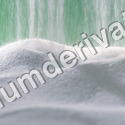
- Appearance White crystalline powder
- Physical Form Powder
- Ph Level 6.5 7.5 (1% solution)
- Smell Faint sulfur odor
- Grade Industrial Grade
- Purity 85% min
- HS Code 28311020
- Click to View more
X
SODIUM HYDROSULPHITE Product Specifications
- YES
- Slightly saline
- As a reducing agent and bleaching agent in industrial processes
- 174.11 g/mol
- Inorganic Chemical
- 28311020
- Decomposes above 52C
- 85% min
- Crystalline, Powdered
- 2.19 Gram per cubic centimeter(g/cm3)
- Industrial Grade
- Textile bleaching, dyeing, leather processing, paper and pulp industry, water treatment
- Soluble in water
- Excellent reducing agent, stable under dry conditions, sensitive to moisture, decomposes in water and acids
- White crystalline powder
- Faint sulfur odor
- Powder
- 6.5 7.5 (1% solution)
Product Description
Since our inception, we have been engaged in the business of manufacturing and supplying a superior range of Sodium Hydrosulphite. These powders are highly used for production of bleach for paper pulp, cotton, wool & leather and also as reducing agent in aqueous solutions. We follow safety norms of the chemical industries, while formulating these powders by using quality grade compounds. To ensure safety we pack the Sodium Hydrosulphite using quality approved packaging materials.
Features:
-
Water-soluble salt
-
Accurate composition
-
Safe to use
Further Details:
Sodium hydro sulphite is a water-soluble salt, and can be used as a reducing agent in aqueous solutions. It is used as such in some industrial dying processes, where an otherwise water-insoluble dye can be reduced into a water-soluble alkali metal salt. The reduction properties of sodium dithionite also eliminate excess dye, residual oxide, and unintended pigments, thereby improving overall colour quality. Sodium hydro sulphite reacts with formaldehyde & produces rongalite, which is used as a bleach, in, for instance, paper pulp, cotton, wool, leather, chrome tanning agent and kaolin clay.
Other Information
-
Port of Dispatch: Vapi (Gujarat)
-
Delivery Time: Immediate
-
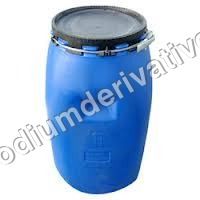
Packaging Details: 50 kg drums/100 Kg Drum
Versatile Reducing Agent for Industrial Applications
Sodium Hydrosulphite stands out as a powerful reducing agent, widely utilized in industrial sectors such as textiles, leather processing, and paper production. Its impressive reactivity and stable behavior under dry conditions make it an asset in bleaching and dyeing processes. The unique physical properties, including crystalline powder form, provide ease of handling and precise application, enabling seamless integration into various manufacturing workflows.
Safety and Storage Considerations
Due to its poisonous nature and sensitivity to moisture, sodium hydrosulphite must be stored in tightly sealed containers away from acids and water sources. Maintaining dry storage conditions preserves its effectiveness and prevents hazardous decomposition. Industrial users should follow strict safety protocols during handling, including the use of personal protective equipment, to ensure safe and efficient use within large-scale production environments.
FAQs of SODIUM HYDROSULPHITE:
Q: How should sodium hydrosulphite be stored to maintain its stability?
A: Sodium hydrosulphite should be stored in a cool, dry place within tightly sealed containers. Exposure to moisture or acids can lead to decomposition and loss of efficiency, as well as the release of hazardous gases.Q: What are the primary industrial applications of sodium hydrosulphite?
A: This chemical is mainly used as a reducing and bleaching agent in textile bleaching and dyeing, leather processing, paper and pulp industry, and water treatment, owing to its strong reduction capabilities.Q: When is sodium hydrosulphite most commonly utilized in the manufacturing process?
A: It is typically employed during the bleaching or reduction phases of textile, leather, and paper production, where removal of excess dyes or color is essential.Q: Where in India can sodium hydrosulphite be sourced for industrial use?
A: Sodium hydrosulphite can be sourced from distributors, exporters, manufacturers, suppliers, and traders across India, catering specifically to the industrial sector.Q: What benefits does sodium hydrosulphite offer in textile and paper processing?
A: In textile and paper industries, sodium hydrosulphite provides efficient bleaching and color-removal, resulting in higher-quality finished products and improved processing speeds.Q: What precautions should be taken when using sodium hydrosulphite due to its poisonous nature?
A: Appropriate safety gear such as gloves, eye protection, and adequate ventilation are necessary. Direct skin contact and inhalation of dust or fumes should be avoided due to its toxicity.Q: How is sodium hydrosulphite used in water treatment applications?
A: In water treatment, sodium hydrosulphite is applied as a reducing agent to remove excess chlorine or other oxidizing agents from water, contributing to safer water quality for industrial processes.Tell us about your requirement

Price:
Quantity
Select Unit
- 50
- 100
- 200
- 250
- 500
- 1000+
Additional detail
Mobile number
Email

Other Products in 'Chemical Industries Chemicals' category




GST : 24ABICS0518B1ZV- Plot No 627, 100 Shed Area, GIDC.,Vapi - 396195, Gujarat, India
- Phone :08071780558
-
 Send Inquiry
- Key Personnel
- Mr Nitesh Bharti (Proprietor)
- Mobile :08071780558
 |
SUVIDHI INDUSTRIES
All Rights Reserved.(Terms of Use) Developed and Managed by Infocom Network Private Limited. |
