


|



Chlorinated Paraffin
Product Details:
- Shelf Life 2 years
- Solubility Insoluble in water, soluble in organic solvents
- HS Code 38241090
- Usage Used in cable compounds, rubber industry, paints, plastics, leather industry, metal working fluids
- Product Type Industrial
- Melting Point Solidifies below 20C (depends on grade)
- Appearance Clear to pale yellow viscous liquid
- Click to View more
X
Chlorinated Paraffin Price And Quantity
Chlorinated Paraffin Product Specifications
- Industrial
- Used in cable compounds, rubber industry, paints, plastics, leather industry, metal working fluids
- 38241090
- Insoluble in water, soluble in organic solvents
- 2 years
- Liquid
- Plasticizer for PVC, flame retardants, paints, sealants, lubricants, adhesives
- Mild odor
- Clear to pale yellow viscous liquid
- Solidifies below 20C (depends on grade)
- Yes, if ingested or inhaled
- Industrial Grade
- Varies with chlorine content
- Tasteless
- Liquid
- Good plasticizer, chemical stability, flame retardancy, low volatility
- 1.501.51
- 99%
- > 200C
- High viscosity, specific value depends on chlorine content
- Below 0C (varies with composition)
- Stable under normal storage and use conditions
- < 50 ppm
- Toxic to aquatic life; avoid release to environment
- Compatible with most plasticizers and resins
- > 175C
- Available in drums, IBC tanks, or bulk
Product Description
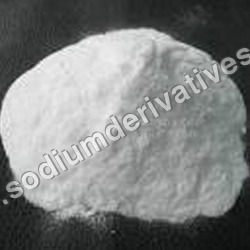
This powder is used in metal working, sealants, paints and coatings. Since establishment, we have been playing a lead role in offering our clients Chlorinated Paraffin. To comply with set safety norms, we use quality grade compounds to process this powder. This powder is widely used as flame retardants and plasticisers. Color of the Chlorinated Paraffin changes to light brown from its original color on heating. We offer this chemical powder at cost effective prices to clients.
Features:
- Transparent viscous liquid
- Extended shelf life
- Free from adulteration
Specifications
| Grade / Chlorine Content | 50% to 55% Grade-I | 60% to 64% Grade-II | 65% to 70% Grade-III |
| Physical Appearance | Colourless Transparent Viscous Liquid | Colourless Transparent Viscous Liquid | Colourless Transparent Viscous Liquid |
| Colour in Hazen Units | 50 to 100 | 100 to 125 | 125 to 200 |
| Sp. Gravity at 30oC | 1.250 to 1.300 | 1.350 to 1.390 | 1.400 to 1.450 |
| Viscosity at 100oC | 05/10/12 | 10/15/12 | 15-30 |
| Acidity as HCI (%) | 0.01 (Max) | 0.01 (Max) | 0.01 (Max) |
| Pour point "F" | 0-15 | 20-40 | 40-60 |
| Water Content | Nil | Nil | Nil |
| Heat Stability | Colour changes to light brown from its original colour on heating at 180oC for 20 minutes | Colour changes to light brown from its original colour on heating at 180oC for 20 minutes | Colour changes to light brown from its original colour on heating at 180oC for 20 minutes |
Field Of Applications
- Plasticizer for Vinyl Polymers & Ethyl Cellulose
- As additives in the industrial gear oils
- Used in corrosion resistant paints
- Used in fire proof paints
- As a flexible coating for carbon paper
Versatile Applications in Multiple Industries
Chlorinated Paraffin serves as a valuable plasticizer and flame retardant in a broad range of industries. Its typical uses include cable compounds, paints, plastics, rubber goods, adhesives, sealants, and metal working fluids. Compatibility with a variety of plasticizers and resins ensures it delivers flexibility and durability to finished products, especially in demanding applications such as the leather and cable industries.
Safety, Storage, and Environmental Considerations
With a flash point above 175C and excellent chemical stability, Chlorinated Paraffin remains safe when stored and handled in standard industrial conditions. However, owing to its toxicity to aquatic life and poisonous nature if ingested or inhaled, proper precautions should be taken to prevent spills and exposure. Storage in tightly sealed drums or IBC tanks in cool, ventilated spaces helps maintain product quality within its two-year shelf life.
FAQs of Chlorinated Paraffin:
Q: How is Chlorinated Paraffin used as a plasticizer in manufacturing processes?
A: Chlorinated Paraffin is incorporated into PVC, rubber, and other plastics as a plasticizer to improve flexibility, durability, and flame retardancy. Manufacturers blend it with resins or other plasticizers during compounding to achieve specific performance characteristics required by the final product.Q: What benefits does Chlorinated Paraffin provide in industrial applications?
A: Chlorinated Paraffin offers enhanced flame retardancy, chemical resistance, and flexibility to products. It is also valued for its low volatility and stable properties under a range of operational temperatures, making it ideal for use in demanding sectors such as cable manufacturing, paints, and lubricants.Q: When should Chlorinated Paraffin be added during the manufacturing process?
A: Chlorinated Paraffin is typically added during the mixing or blending stage, before final shaping or molding occurs. Early integration ensures uniform dispersion and optimal interaction with other components, enhancing the final products properties.Q: Where is Chlorinated Paraffin commonly applied within various industries?
A: It is widely used in cable compounds, rubber goods, flexible PVC, leather treatments, metal working fluids, paints, coatings, sealants, adhesives, and lubricants. Its versatility allows it to meet the specific needs of manufacturers across sectors such as construction, automotive, and electrical industries.Q: What precautions should be observed when handling Chlorinated Paraffin?
A: Since Chlorinated Paraffin can be toxic if ingested or inhaled, and is hazardous to aquatic life, handlers should wear appropriate personal protective equipment and avoid environmental release. Spills should be contained and cleaned up promptly according to established safety guidelines.Q: How is Chlorinated Paraffin typically supplied and stored to maintain its quality?
A: It is available in tightly-sealed drums, IBC tanks, or in bulk, and should be stored in a cool, dry, well-ventilated area. Proper sealing prevents contamination and maintains its stability throughout its recommended two-year shelf life.Tell us about your requirement

Price:
Quantity
Select Unit
- 50
- 100
- 200
- 250
- 500
- 1000+
Additional detail
Mobile number
Email

Other Products in 'Dyes Industries Chemicals' category



GST : 24ABICS0518B1ZV- Plot No 627, 100 Shed Area, GIDC.,Vapi - 396195, Gujarat, India
- Phone :08071780558
-
 Send Inquiry
- Key Personnel
- Mr Nitesh Bharti (Proprietor)
- Mobile :08071780558
 |
SUVIDHI INDUSTRIES
All Rights Reserved.(Terms of Use) Developed and Managed by Infocom Network Private Limited. |
